

Winter
Newsletter
January | 2025
“New Year’s Day is every man’s birthday.” Charles Lamb

Introduction by the Chair
I hope you all enjoyed a wonderful Christmas with your family and friends. Having suffered a medical emergency at home, thankfully now on its way to being resolved, in early December it brings home to you what is really important, our family and friends.
Although we normally issue this Newsletter prior to Christmas it was necessary to delay it slightly this year but hopefully you will see it as a New Year gift. I always consider New Year as the halfway point between cricket seasons, and it certainly marks an uplift in our training activity as we start to prepare for the new season.
I am aware of lots of Continuing Professional Development (CPD) planned by your league umpire associations, supported by ourselves, between now and the start of the season and I would encourage you to attend any session you can. If you can’t physically make any of the face-to-face sessions, I would remind you of the excellent CPD modules on our website LanacshireACO.wordpress.com. Remember we should never stop learning. To help with this we have included in this newsletter our annual quiz to help you get the brain cells working again after Christmas!
We will also offer our popular Promotion Workshop” in March, this one-day course is aimed at those who are looking to apply for promotion from M4/W4 to M3/W3 (ECB Premier League status). If you think you might be interested, please let your league appointments’ secretary know as the course is by nomination from League Associations only.
For those new to LACO, we will be running some additional courses for those that have completed the ECB New Umpires Course and are looking to officiate in senior competitive cricket or just want to further their skills. Details will be announced later in January. We are aware that there has been a lot of change in the umpire “Education” area recently so you will find a short article below which explains in more detail what is now available.
In addition to the CPD, we have now confirmed the details for our AGM where we will welcome Lancashire’s very own Steve O’Shaughnessy as our guest speaker, more details below
I mentioned in the last Newsletter that we are working on a new website, and we hope that this will go live in the next month and when it does, we will let you know. Our thanks go to Steve Briggs for all his expert help in making this a reality.
Finally, it just leaves me to wish you all a happy, healthy and sunny 2025!
Rob Hales, LACO Chair
Members’ Survey
With so many changes having taking place over recent years, particularly in the area of education, training and the promotion pathway (details of the 2025 promotion pathway process will be included in our 2025 pre-season Newsletter) we felt it was an appropriate time to survey our members opinions.
Later in January you will receive an on-line survey seeking your views on a number of topics. We would be very grateful if you could take a few minutes to complete and return this. Although we try and ensure that we meet the needs of our members, we believe seeking your specific views and experiences on certain topics will allow us to ensure that we amend what we offer to meet your requirements.
Of course, you can contact us at any time with any questions or concerns you have, but this first members survey will allow us to gather a wider cross-section of the views of our members which will be invaluable in planning for the future.
Thanks in advance for your support.
AGM 2025

The 2025 AGM will be held at BAC Preston CC starting at 7.30 pm on Monday 24th March. I am delighted to be able to say that our guest speaker will be Lancashire’s very own Steve O’Shaughnessy.
Having made his first-class debut in 1980 Steve went onto have a very successful playing career with Lancashire and Worcestershire playing over 280 first class and List A games.
Once retired he joined the first-class umpires list in 2011 and has since umpired almost 200 first class games as well as numerous one day matches. Having heard Steve speak before you will be well entertained for the evening.
Please make a note in your diaries of the date, you will receive the official papers for the AGM itself prior to the meeting this will as usual include all the officers’ reports so that we can deal efficiently with the official business prior to introducing our guest.
Umpire Training
As previously mentioned, umpire training has undergone significant change over the past few years, and we thought it would be useful to detail what is currently available:
ECB New Umpires Course
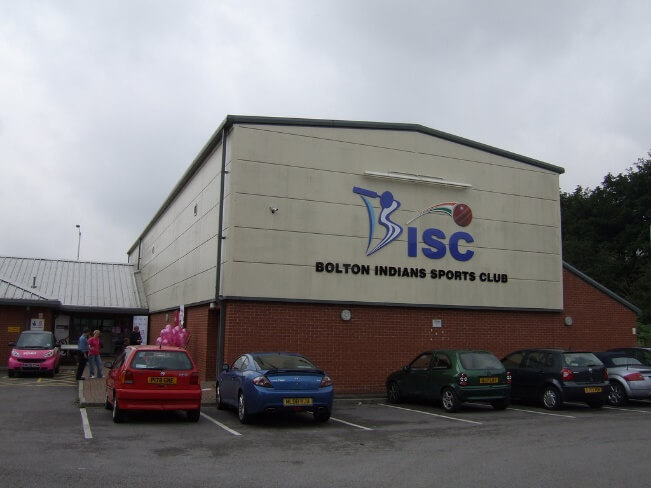
This course is now the only entry into umpiring and the “umpires’ pathway”. Run by the ECB themselves using their own tutors, the course is aimed at anyone who is interested in umpiring – be that the parents of juniors, junior coaches, experienced players or ex-professionals. It is a basic course and once completed umpires will be graded as M6/W6 on the umpires’ pathway. The courses are organised throughout the county at different times of the year, and in neighbouring counties. Details of upcoming courses are advertised on our website and through various social media channels. The next course will be held on 18th January 2025 at Bolton Indian Sports Club. Details, including how to book, can be found on our website: www.lancashireaco.wordpress.com/training
Lancashire ACO “League Umpires Course”
For those wishing to umpire adult cricket or just increase their skills, Lancashire ACO offers a one-day course which builds on the ECB New Umpires Course but provides the skills we believe are required to stand in competitive adult cricket. This course is generally run in February or March each year and is hosted by our League Umpires Associations depending on demand. The course is a must for any new umpires who have completed the ECB New Umpires Course but want to officiate in a League panel or act as a “club umpire.” Dates for this year are yet to be finalised but will be advertised through the usual channels and on our website.
Lancashire ACO “Promotion Workshop”
This course is aimed at those umpires who have at least a couple of years’ experience of umpiring in League cricket and are looking to be promoted from M4/W4 to M3/W3 (ECB Premier League). It looks in more detail at the skills required to be successful at that level. We run just one course each year, usually in March. Attendance is by nomination from your League Umpires’ Association. The course is highly interactive and requires delegates to bring details of their own experiences to contribute in addition to some pre and post course work. If you are interested in attending the 2025 course, please let your League Umpires Appointments Secretary know and they will pass on your details. The exact location and date will be finalised once we know we have sufficient demand. The course is often over-subscribed so nobody is guaranteed a place, but we are sure you will enjoy it, if selected!
Continuing Professional Development (CPD)
All remaining training is offered via CPD. As Lancashire ACO covers such a large geographical area we have decided that “face to face” CPD will be offered via your League Umpires’ Associations supported by LACO. Each League Association will offer CPD in the way that suits them best, be that via a series of evening meetings or one day workshops, or a combination of both. Please keep in touch with your League Association to find out when your sessions are scheduled, or you can contact any member of the LACO Executive (details on our website) who will let you know what has been organised. You are always welcome to attend a session offered by another league should your own league dates not be suitable.
We also offer significant on-line CPD for those that can’t attend face to face sessions. Full details can be found at www.lancashireaco.wordpress.com/training/cpd where you will find nine Lancashire ACO CPD sessions and 12 ECB CPD session which you can undertake at any time that suits you.
The whole area of umpire training and education is constantly changing we will continue to update you on what is available via this Newsletter, our website and our social media channels. Should you require any further information or wish to make any comments please feel free to contact us.

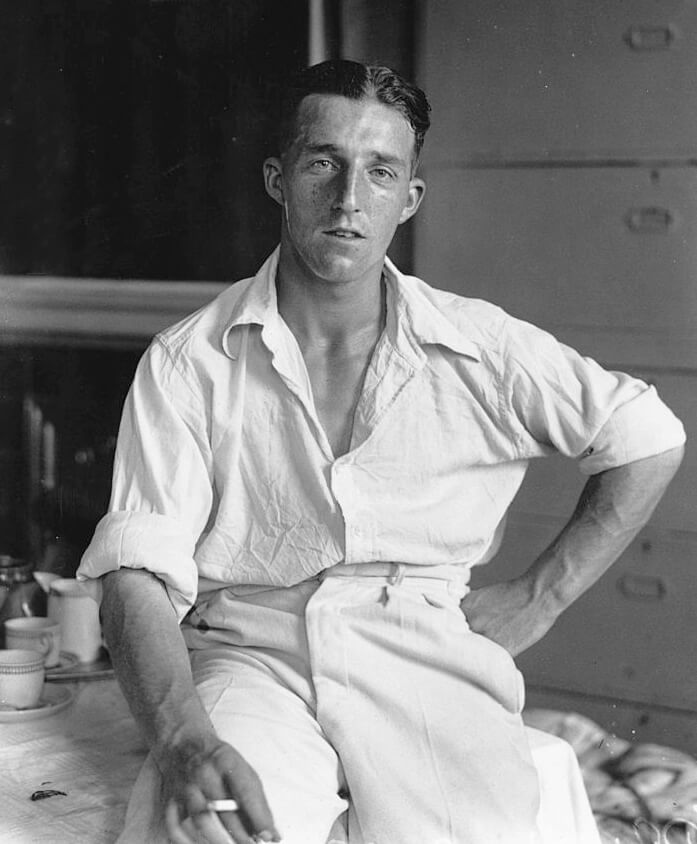
Tim Mansfield reviews Leo McKinstry’s biography of Bill Edrich.
My maternal grandparents lived in Blaydon, the village in Oxfordshire where Winston Churchill is buried and close to Blenheim Palace. In fact, my grandfather used to make trips into the Park to collect wood for his fire. One summer when we were visiting, we were taken to see Oxford University take on the Lord’s Taverners at the cricket ground at the Palace. The Oxford team had Chris Tavaré, who made a swashbuckling 42 (I kid you not) and Vic Marks. The Taverners had Nicholas Parsons, Dr Who’s Tom Baker and Willie Rushton alongside several former Test stars.
John Price opened the bowling with a diagonal run that must have been at 45 degrees. Tom Graveney made an elegant 66 whilst Denis Compton showed he hadn’t lost it, making a rapid 46. MJK Smith was stumped off Marks for 12 and Bill Edrich, captaining the Taverners, made 11.
So, I can say that I saw Compton and Edrich play, those greats of the 1940s who were at the crease together when England finally recovered the Ashes in 1953. McKinstry’s biography covers all Edrich’s life, his cricket and his extra-curricular activities. It is well known that the Edrichs were from Norfolk, but I didn’t know that his mother was of Cumberland farming stock. We read about his early cricket prowess, breaking through at Middlesex after starring for Norfolk, a brief career as a footballer for Tottenham Hotspur where it was felt he could have achieved much, but in those different days he plumped for cricket. We learn about his difficult start to his England career before a double century in the timeless test, and of his heroism as a fighter pilot in the war.
McKinstry tells the story of a man who had five wives and a host of other conquests, as well as an overfondness for alcohol that saw him regarded as unselectable for tours in the 50s and probably cost him a chance of the England captaincy.
One of his wives is quoted as describing him as like “a randy mole” whilst McKinstry says that Edrich is almost certainly the only player who paid to get into the ground in a Test match he was playing in. Having disappeared with another man’s wife on Saturday night he arrived at Lord’s and saw the aggrieved husband waiting for him at the players’ entrance. He pulled his collar up, his hat down and made use of his newspaper to join the queue of spectators and managed to get into the ground unscathed.
Edrich’s life was a picturesque one, with moments of great achievement and failures. It is a book well worth reading.
Alistair Davies' Christmas Quiz 2024

Question 1
a) The bowler delivers the ball from well behind the stumps and in line with the Bowler’s End umpire. The striker immediately backs away and makes no attempt to play at the delivery, however, the ball breaks the wicket. The striker claims he wasn’t expecting the delivery to be bowled from so far back. There is an appeal for Bowled. This is the first instance of a ‘long ball’ received by this striker. What action is required from either umpire?
b) The bowler delivers a similar ball from well behind the stumps and in line with the Bowler’s End umpire. Again, the striker immediately backs away and makes no attempt to play at the delivery, however, the ball breaks the wicket. The striker claims he wasn’t expecting the delivery to be bowled from so far back. There is an appeal for Bowled. This is the second instance of a ‘long ball’ received by the same striker during the innings. What action is required from either umpire?
Question 2
On the third delivery of the over, the striker plays the ball to the mid-off fielder and commences running. After the batters have crossed on the first run, a fielder throws the ball at the bowler’s end wicket but misses, which subsequently goes for overthrows. The batters complete three additional runs before the ball contacts the boundary rope.
a) How many runs are scored?
b) Who faces the next delivery?
Question 3
You are the Bowler’s End umpire. The number five batter is on strike with number 11 at the non-striker’s end during the final over of a limited overs match.
On the second ball, the striker plays the ball deep into the outfield and calls for two runs. The fielder positioned near the boundary gets to the ball quicker than the striker anticipated. The striker turns well short of his ground at the BE on the first run which the umpire believes is a deliberate attempt to get back on strike. Meanwhile, the fielder slides to collect the ball, but in doing so, knocks the ball into the boundary. What happens now?
Question 4
On the final delivery of an over the bowler stumbles, breaking the Bowler’s End wicket with his boot as he delivers the ball. The ball pitches short and bounces twice on the pitch before reaching the popping crease. The striker plays the ball through the covers, attempting three runs. On the second run, both batters accidently run short.
a) What action is taken by either umpire?
b) How many runs are scored and how are they recorded?
c) Who shall face the next delivery?
Question 5
A delivery from a fast bowler rises sharply off a good length, striking the batter’s arm guard which was covering part of the glove. If not for the arm guard, the ball would have touched the glove. The ball balloons through to the wicket keeper who completes the catch. How does the umpire answer the appeal and why?
Question 6
In a recreational game of cricket, a fast bowler bowls a short-pitched delivery which strikes the batter on the helmet, forcing the helmet off the striker’s head and onto the ground. The ball rebounds off the helmet and goes on to break the wicket. There is an appeal.
A) Which umpire answers the appeal and what is their decision?
B) If it was the helmet that broke the wicket, which umpire answers the appeal and what would their decision be?
Question 7
The batter receives a fair delivery and plays the ball into the offside. After the batter sets off for a run, he changes his mind and returns to his crease. As he slides his bat behind the popping crease, the bat subsequently breaks the wicket. There is an appeal for Hit wicket. What is your decision?
Question 8
During the bowler’s run up, the fielder positioned at first slip runs behind the wicket-keeper to leg slip. The striker has given no indication he was going to play the ball to that vicinity. The bowler delivers the ball down the leg side which the striker plays directly to the fielder now at leg slip, who completes the catch. The fielding team appeal. As an umpiring team, what do you do now?
Question 9
As the bowler delivers the ball you notice the fielder at silly mid-off who is standing just off the pitch, leans over the pitch before the ball reaches the striker. The batter plays a straight drive that is taken on the full by the fielder and appeals for the catch.
What do you do now?
Question 10
A batter plays a fair delivery to a close in fielder, and both batters set off for a single. The
fielder takes hold of the ball in his right hand and runs towards the stumps. He trips and his right elbow subsequently breaks the wicket with the non-striker out of his ground.
How shall the appeal be answered?
Question 11
After 3.3 overs of the innings, the opening bowler is injured and unable to complete the over.
What should happen now?
Question 12
The striker advances down the pitch to a fair delivery and misses the ball. The ball flicks the batter’s pad on the way past and the w/k reaches in front of the line of the stumps, collects the ball and breaks the wicket with the hand holding the ball. There is an appeal.
Who answers the appeal, and what should be their decision?
Question 13
The striker advances down the wicket and plays the ball directly to a close fielder who
throws the ball at the stumps. The striker hurriedly returns to his ground and, seeing the
ball miss the stumps and run away into the outfield turns and sets of for his first run. In
doing so he knocks the stumps with his bat, dislodging a bail. There is an appeal.
Who answers the appeal, and what should be their decision?
Question 14
Your partner is running late and is now expected to arrive at the ground 10 minutes before
the scheduled start of play.
At what time and where should the toss occur and who should be present?
Question 15
The bowler delivers the ball from close to the stumps, with no part of his front foot landing behind the popping crease. As he delivers the ball, he dislodges the bails at the non-strikers end with his back foot. The distraction causes the striker to pull away from the crease, not playing a shot, and the ball hits the striker’s end stumps dislodging a bail. There is an appeal.
As the bowler’s end umpire what do you do?
Question 16
Play commences as scheduled at 10.30am. A fielder does not take the field, due to illness, until 10.51am.
At what time is the fielder permitted to bowl?
Question 17
A fielder is forced to leave the field for attention to a minor internal injury. The fielder has been absent for 47 minutes when play is suspended due to heavy rain. When play resumes at the end of the interruption, which has lasted for 35 minutes, the injured player takes the field. At no stage during the unscheduled break did the injured player notify an umpire in person that he was able to participate. The captain asks the umpire when the player will be allowed to bowl.
How shall the umpire respond
Question18
A fielder leaves the field due to illness at 5.07pm on day one and does not return that day. Play concludes at 5.34pm. On day two play commences at 10.30am and the fielder is on the field for the start of play.
At what time is the fielder permitted to bowl?
Question 19
A fielder leaves the field due to illness at 3.39pm on day one and does not return that day. There is a drinks interval between 4.31pm and 4.35pm (4 minutes). Play concludes at 5.32pm. On day two play commences at 10.30am and the fielder is on the field for the start of play. There is a drinks interval between 11.33am and 11.37am (4 minutes).
At what time is the fielder permitted to bowl?
Question 20
A fielder leaves the field due to illness at 3.18pm. The innings ends at 4.23pm. The fielder did not return to the field. Play for the day is scheduled to finish at 6.00pm. When is the fielder allowed to bat?
Question 21
Consider the following scenario: a fielder leaves the field due to illness at 12.06pm and is still absent when the lunch interval is taken at 12.33pm. Lunch is 40 minutes. At 1.02pm it starts to rain.
Following a short delay, play resumes at 1.35pm. As play begins, the fielding captain asks when the player will be allowed to bowl.
What is your answer in the following various circumstances?
a) The ill fielder returns with the rest of his team when play resumes. At no stage during the interval or interruption did the ill player notify you in person that he was able to participate.
b) During the interruption at 12.55pm, the ill player notified you in person that he is able to participate. The fielder returns with the rest of his team when play resumes.
c) During the interruption at 1.22pm, the ill player notified you in person that he is able to participate. The fielder returns with the rest of his team when play resumes.
d) During the interruption at 12.55pm, the ill player notified you in person that he is able to participate. However, the ill player does not come back onto the field until five (5) minutes after the resumption.
Question 22
A fast bowler delivers a ball that passes on the full above the waist of the striker standing upright at the popping crease. The delivery was well wide of the striker and not likely to inflict injury.
What actions are required from bowler’s end umpire?
Question 23
The striker hits into the outfield a delivery that has been called and signalled ‘No ball’. The batters have crossed on their second run when an attempted run out by the fielding side misses and the ball stops just inside the boundary. A fielder then deliberately kicks the ball into the boundary and by this time the batters had crossed on their third run. When the ball was dead, the striker’s end umpire called and signalled ‘short run’ after the non-striker ran short on the first run.
How many runs are scored and who faces the next delivery?
Question 24
A fair delivery contacts the shoulder of the striker’s bat which loops up into the air and back towards her wicket. In protecting his wicket and before the ball has contacted the ground, the striker wilfully strikes the ball away with his bat and, in doing so, prevents the wicket-keeper from attempting a catch. Direct from this second strike, the ball is taken on the full by a close-in fielder. The wicket-keeper appeals.
What is the decision of the umpire?
Question 25
A bowler bowls a foot fault ‘No ball’, which is a bouncer, which glances off the striker’s shoulder as he is taking evasive action and not playing at the ball. The ball then goes over the boundary without bouncing in the field of play. What shall the umpire signal? How many runs are scored, and how are they recorded?
Question 26
A fielder complains of headaches and leaves the field at 13.50 and is still absent from the field when it starts to rain and play is suspended at 14.25. During the delay at 14.35, the ill player notified an umpire in person that he was able to participate. Play resumes at 15.10, but the fielder fails to return at this time and takes the field five minutes later at 15.15.
At what time can he bowl?
Question 27
A delivery from a fast bowler, which the umpire considers to have been deliberately bowled, passes on the full above the waist of the striker standing upright at the popping crease. The delivery was well wide of the striker and not likely to inflict injury. What actions are required from the bowler’s end umpire?